How to Choose a Tall TV Stand With Mount for Your Home?
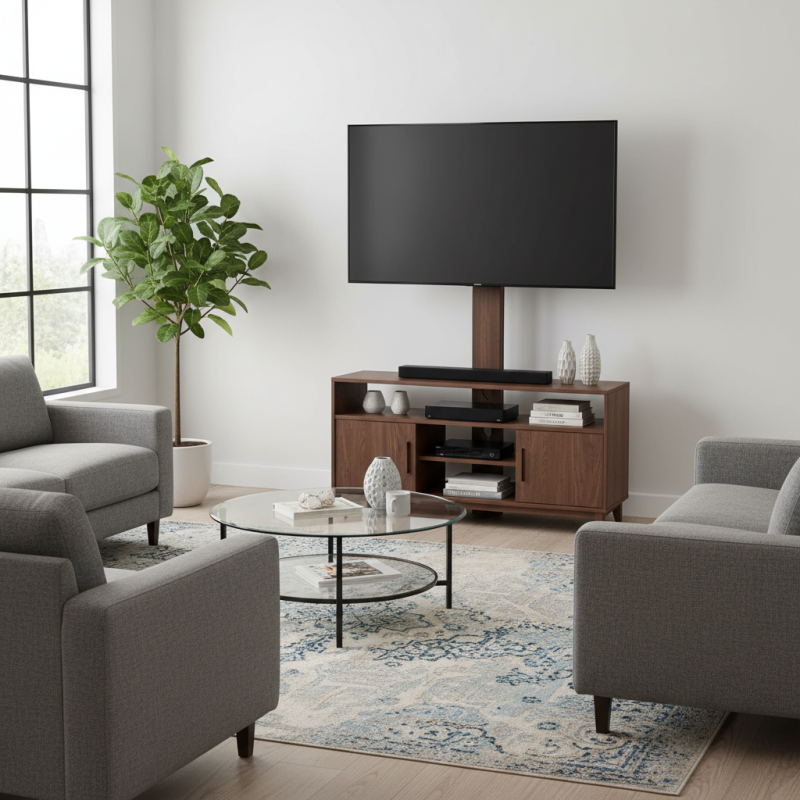
When it comes to setting up a living room, choosing the right furniture is crucial. A Tall TV Stand With Mount can significantly enhance your viewing experience. It elevates your television to eye level, making it comfortable for long hours of watching. However, selecting the perfect stand isn’t always straightforward.
Consider the size of your TV and room space. A tall stand must blend well with your existing decor. It’s not just about height; sturdiness matters too. An unstable stand could lead to accidents, which nobody wants. Explore various styles, from modern to classic. Each can alter the room's ambiance.
Reflect on your personal needs. Do you want extra storage? Or perhaps a more minimalist design? Remember, there’s no perfect choice, only what works for you. Take your time to evaluate different options. A Tall TV Stand With Mount should serve you well for years.
Understanding the Importance of TV Stand Height in Viewing Comfort
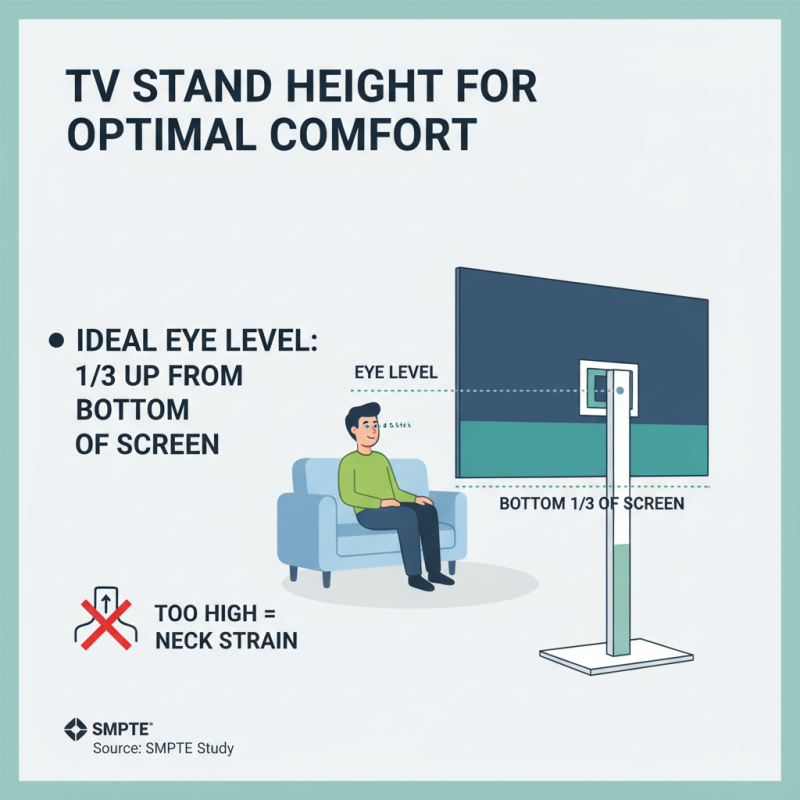
When selecting a tall TV stand with a mount, the height is crucial for optimal viewing comfort. According to a study by the Society of Motion Picture and Television Engineers, the ideal eye level for viewing is approximately one-third up from the bottom of the screen. If your TV is too high, it can lead to neck strain and discomfort during long viewing sessions.
Tips for Choosing the Right Height:
1. Measure your seating height. Ensure the center of your TV aligns with the viewers' eye level.
2. Consider the room layout. Factors like furniture height and viewer distance play a role in comfort.
3. Take note of your TV size. Larger screens may require additional height adjustments.
While it may seem simple, finding the perfect height can be challenging. Many people underestimate how a few inches can affect comfort. Even minor misalignments can lead to fatigue, especially during binge-watching sessions. Therefore, investing time in determining the right height is essential. Consider a TV stand that offers adjustable mounting options for versatility. Aim for a solution that balances aesthetics and functionality in your living space.
Evaluating Weight Capacity and Stability for Different TV Sizes
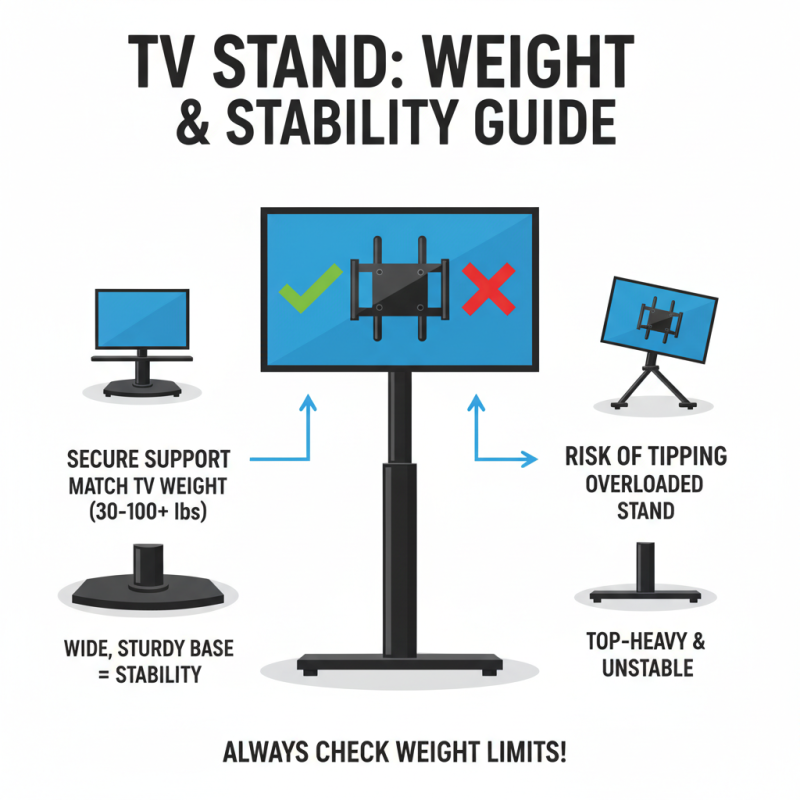
When selecting a tall TV stand with a mount, weight capacity is crucial. Each TV model has specific weight limits. The stand must be sturdy enough to support the TV securely. A standard television can weigh from 30 to over 100 pounds. If the stand cannot handle this weight, it might wobble or tip over. Stability is essential for safety and usability. You don’t want a top-heavy stand that could easily fall.
Different TV sizes bring various challenges. A 55-inch TV requires a different support strategy than a 75-inch model. The stand's dimensions should match the TV's footprint. If the base is too small, it may feel unstable. Always check the manufacturer's specifications for weight limits. Pay attention to user reviews, as they offer real-world insights. Some stands may look appealing but lack the needed stability.
Not every setup is perfect. You might buy a stand that looks great but isn’t balanced. Understand what works for your space. It’s important to reassess the setup after some time. Is it still stable? Does it hold the weight securely? If you notice any issues, it’s better to act quickly. After all, safety for your family and your investment matters most.
Choosing the Right Mount Type: Fixed, Tilting, or Full Motion
Choosing the right mount type for your tall TV stand is crucial. There are three common options: fixed, tilting, and full motion. Each type serves different needs and spaces. Fixed mounts are simple and keep the TV close to the wall. They often work well in small rooms. However, they lack flexibility. You cannot adjust the viewing angle. This can be a drawback if the seating arrangement changes.
Tilting mounts offer more versatility. They allow you to tilt the TV for better viewing angles. This is especially helpful in rooms with tall furniture or if you're seated lower than the screen. However, installation can be tricky. You might need tools and space to adjust it correctly. Sometimes, users find the tilt angle insufficient.
Full motion mounts take flexibility to another level. They allow you to swivel the TV sideways. This is great for larger spaces or open floor plans. Yet, they can be more expensive and complex to install. Some people struggle to adjust them without professional help. Each type has pros and cons. Reflecting on your space and viewing habits is key to finding the best fit for you.
How to Choose a Tall TV Stand With Mount for Your Home? - Choosing the Right Mount Type: Fixed, Tilting, or Full Motion
| Mount Type |
Description |
Advantages |
Disadvantages |
Ideal For |
| Fixed |
A stationary mount that holds the TV in a fixed position against the wall. |
Low profile, stable, and cost-effective. |
Limited viewing angle and no adjustability. |
Room with optimal viewing from one position. |
| Tilting |
Allows for upward or downward adjustment of the TV angle. |
Flexible viewing angles and reduced glare. |
May be more complex to install than fixed mounts. |
Rooms with varying seating heights. |
| Full Motion |
Enables the TV to be moved horizontally and vertically. |
Maximum flexibility and the ability to reposition the TV easily. |
Can be more expensive and may require more wall space. |
Multifunctional rooms or open concept spaces. |
Material Considerations: Wood, Metal, and Safety Glass for Durability
When selecting a tall TV stand with a mount, the choice of materials is crucial. Wood, metal, and safety glass offer different benefits. Each option has unique traits influencing durability and style. According to a report by the Home Furnishings Association, over 70% of consumers prioritize durability in their purchasing decisions.
Wood stands exude warmth and aesthetics. They often provide excellent support for heavy televisions. However, wood can be susceptible to scratches and dents. The weight of your TV matters here. Metal, on the other hand, offers modern appeal. Its strength is notable, supporting heavier units with ease. Yet, metal can sometimes get cold, which might not suit all home décors. Safety glass combines a sleek look with resilience, often rated to withstand impacts efficiently.
Still, none of these materials are perfect. Wood may warp over time in humid environments. Metal can rust without proper sealing. Safety glass, while strong, is not shatterproof. Consider how the materials will fit into your lifestyle and home dynamics. Affordability and style also come into play; examine how long you expect the furniture to last. A well-informed decision is key to enhancing your living space.
Assessing Cable Management Solutions for a Neat Setup
When choosing a tall TV stand with a mount, cable management solutions are crucial for a tidy setup. A survey by the National Association of Home Builders found that 85% of homeowners prioritize neatness in their entertainment areas. Good cable management not only enhances aesthetics but also improves safety by reducing tripping hazards.
One key tip is to select a stand with built-in cable management features. This can include cable clips or channels designed to conceal wires. A study by the International Facility Management Association reveals that 70% of consumers feel more relaxed in organized spaces. Keeping cords out of sight can easily elevate your living area.
Another option is to use cable sleeves or ties. These can organize and group multiple cables together. However, ensure you regularly check for damage; frayed cables can pose risks. Reflecting on your needs and available space can guide you to the best solution. Remember, a clean setup is a happy setup.