How to Choose the Best Modern TV Sideboard for Your Home?
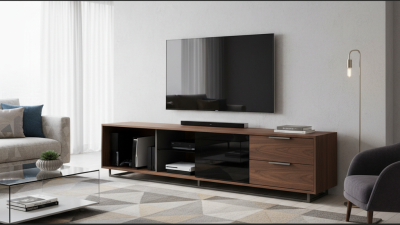
Choosing the right Modern TV Sideboard can transform your living space. Industry expert Emily Larson once said, “The perfect sideboard balances style with functionality.” This statement captures the essence of what many homeowners seek today.
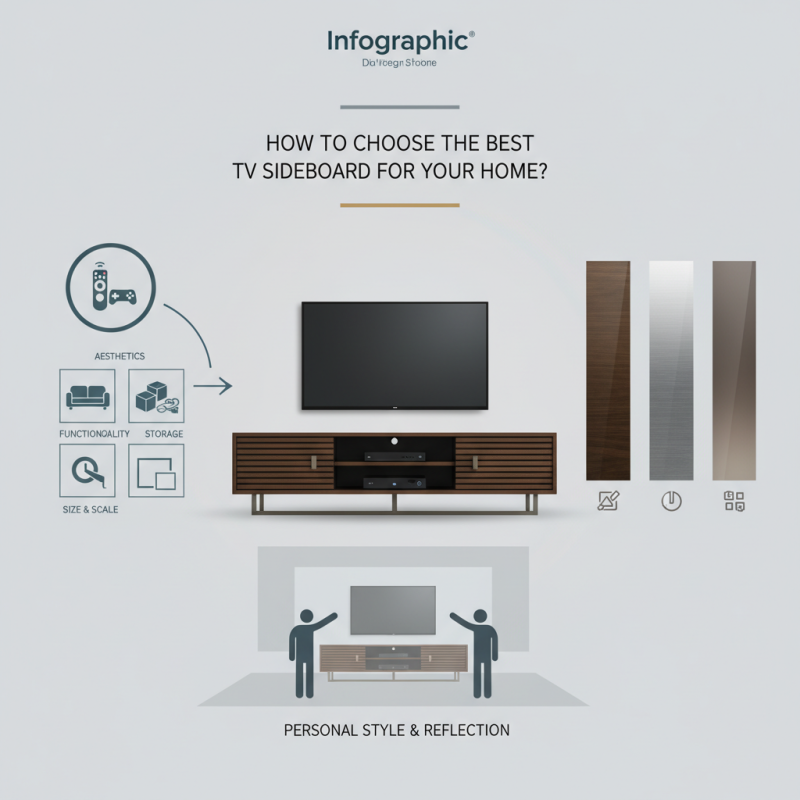
When selecting a Modern TV Sideboard, consider not only aesthetics but also practicality. A sideboard should accommodate your TV, store media devices, and enhance your room’s decor. Look for a design that complements your furniture style. The material is also vital; wood, metal, and glass each bring a different vibe.
Consider the size as well. A bulky sideboard in a small room can overwhelm the space. On the other hand, a too-small sideboard might not fulfill its purpose. Reflect on your needs carefully. Remember, the journey to choose the right Modern TV Sideboard may reveal more about your style than you initially realized.
Understanding the Purpose and Functionality of Modern TV Sideboards
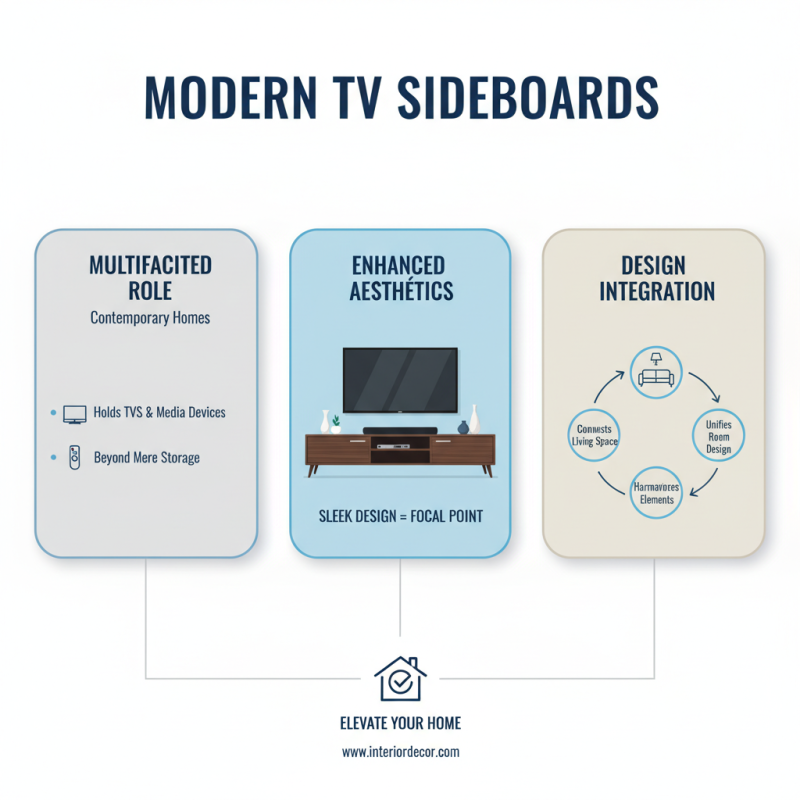
Modern TV sideboards serve a multifaceted role in contemporary homes. At first glance, they are designed to hold televisions and other media devices. However, their functionality extends beyond mere storage. These pieces can enhance the overall aesthetic of a room. With a sleek design, they act as a focal point in the living space. A stylish sideboard can tie together various design elements.
Consider practical features when choosing a sideboard. Look for options with ample storage, cable management systems, and adjustable shelves. This not only keeps your space organized but also ensures easy access to your devices. Some sideboards might lack sufficient height, making them ineffective for larger TVs. Evaluate the dimensions to avoid such pitfalls.
Color and material are equally crucial. A wooden sideboard adds warmth, while metal or glass can bring a modern touch. However, the finish should match your existing decor. Poor choices may lead to visual chaos in your living room. Keep in mind that a sideboard should complement your style, not overpower it. Reflecting on your lifestyle needs is essential. The right sideboard balances aesthetics and functionality.
Evaluating Different Styles and Designs for Your Living Space
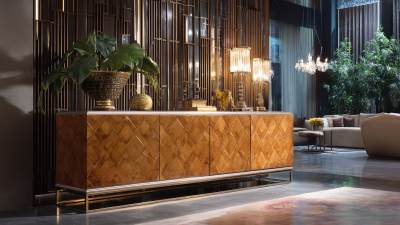
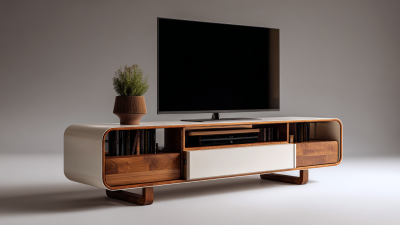
When choosing a modern TV sideboard, consider different styles that match your living space. The sleek lines of contemporary designs can enhance a minimalist room. For a warm feel, a wooden sideboard might be perfect. Oak or walnut finishes add character and warmth to the decor. Choosing colors that complement your walls is vital, but don’t follow trends blindly.
Evaluate the functionality needed. Some sideboards feature open shelves for media devices, while others have drawers for storage. Aim for a balance between style and practicality. Is the height right for your TV? Accessing the content easily is important. Sometimes, people overlook the need for cable management.
Reflect on the overall room aesthetics. The sideboard should harmonize with other furniture pieces. A mismatched design can disrupt the flow of your space. Also, consider your lifestyle. Do you often entertain guests? A sideboard with an elegant finish may impress visitors. But if you have kids, choose materials that are durable. Making a choice can feel overwhelming, but focusing on what speaks to you matters most.
Comparison of Popular TV Sideboard Styles
Choosing the Right Size and Dimensions for Your TV Sideboard
Choosing the right size and dimensions for a modern TV sideboard is crucial. The average living room has a TV size that ranges between 50 to 75 inches. A sideboard should complement this range. According to the National Furniture Association, 60% of consumers prioritize space when selecting furniture.
Consider your room layout. Measure the wall space where the sideboard will sit. A good rule of thumb is to leave 4 to 6 inches on either side of the TV. This allows for proper airflow and visual balance. If your sideboard is too large, it will overwhelm the room. Conversely, if it’s too small, it may seem insignificant.
Height matters too. The ideal TV eye level should be between 42 to 48 inches. This often aligns well with standard sideboard heights of 30 to 36 inches. You want comfort while watching. Think about cable management and storage as well. A sideboard with adequate space for media components is essential, with 55% of users indicating this as a top feature. Overloading a sideboard can lead to a cluttered look. Thus, balance is essential in your selection process.
Material Options: Wood, Metal, Glass, and Their Benefits
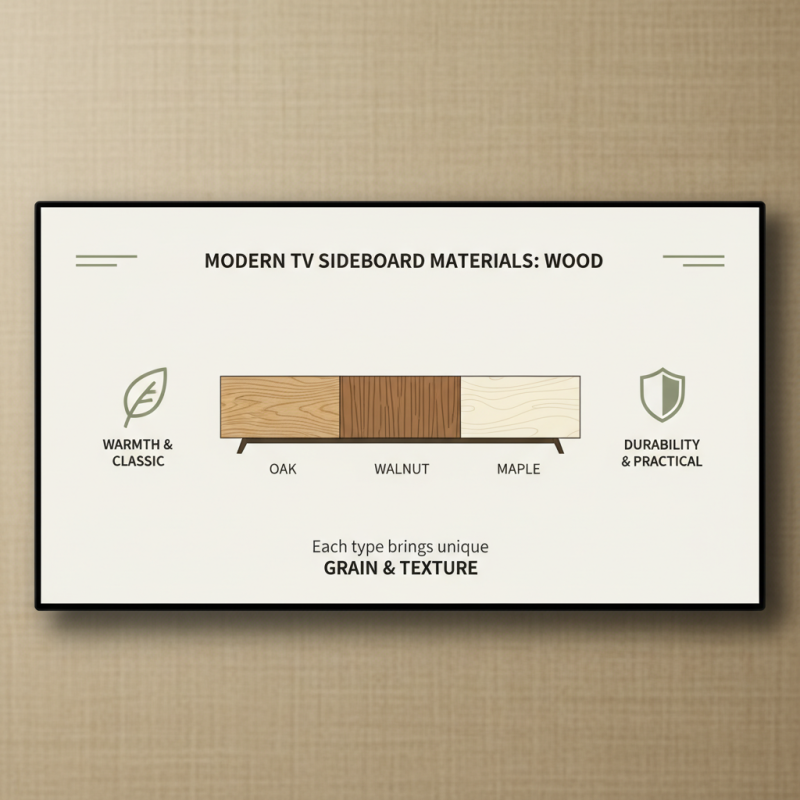
When choosing a modern TV sideboard, materials play a key role. Wooden sideboards offer warmth and a classic feel. They can be crafted from various woods like oak, walnut, or maple. Each type brings its unique grain and texture. Wood also provides durability, making it a practical choice for everyday use.
Metal sideboards bring a sleek, industrial vibe. They are often lighter and more resistant to wear and tear. A metal sideboard can fit well in contemporary or minimalist decor. However, they can show fingerprints easily. Consider the finish to minimize maintenance needs.
Glass sideboards add elegance and a sense of openness. They can make a room feel larger. However, they are more fragile and potentially harder to care for. A glass surface may require frequent cleaning to maintain its shine. A tip: choose tempered glass for added safety and durability.
Consider your lifestyle before making a choice. Do you have pets or kids? A wooden sideboard may be more suitable. If you prefer modern aesthetics, metal could be a winner. Reflect on how you use your space. Let your preferences guide your decision, weighing both style and practicality.
Budgeting: How Much Should You Invest in a TV Sideboard?
When choosing a modern TV sideboard, budgeting plays a crucial role. The average cost of a quality TV sideboard can range from $300 to $1,200. A report by Furniture Today indicates that consumers spend an average of $650 on such furniture pieces. However, this figure can vary greatly depending on the materials and design. Solid wood sideboards tend to be more expensive, while particleboard options may fall on the lower end.
Investing wisely is essential. A higher price can often mean better craftsmanship and longevity. A study published by the American Home Furnishings Alliance shows that consumers keep their furniture for an average of 7 to 10 years. This means a solid investment in a quality sideboard can save money in the long run. Think about your personal style and space. A mismatched piece can feel out of place. Finding the right balance between quality and cost can take time and research. You may need to visit multiple stores or browse online extensively before making a final decision.
Don't overlook the importance of functionality. Some sideboards offer extra storage or cable management options. These features can add value beyond aesthetics. Data from IBISWorld suggests that more consumers are leaning toward functional, multi-purpose furniture. Reflect on what features matter most to you. Making a well-informed choice can sometimes be overwhelming, but the effort can pay off significantly.
How to Choose the Best Modern TV Sideboard for Your Home? - Budgeting: How Much Should You Invest in a TV Sideboard?
| Category |
Price Range |
Material |
Size Options (Width) |
Storage Features |
| Budget |
$150 - $300 |
MDF, Laminate |
50 - 60 inches |
Open shelves, Minimal drawers |
| Mid-Range |
$300 - $600 |
Plywood, Solid Wood |
60 - 72 inches |
Cabinets, Glass doors |
| Premium |
$600+ |
Teak, Oak |
72+ inches |
Customizable, Multi-functional storage |