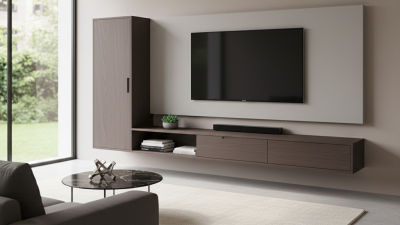
Why Choose a Stylish TV Cabinet for Your Home?
A Stylish Tv Cabinet can change how a living room feels, not merely where the television stands. In my experience, the right cabinet creates visual order around a screen, speakers, remotes, and daily clutter. A walnut finish can warm a pale room, while matte white furniture can make a narrow space feel lighter. Small choices matter.
Good design also supports safe, practical use. Measure the television, wall width, viewing distance, and equipment before buying. The cabinet should feel stable, provide suitable ventilation, and manage cables without forcing sharp bends. Adjustable shelves help accommodate a streaming box today and a game console tomorrow. Reliable furniture guidance also recommends checking weight capacity and anchoring taller units when children or pets are present.
Style should serve real habits. A beautiful cabinet with shallow storage may frustrate someone who owns several devices. Glass doors can display collections, but they may reveal dust and tangled wires. Open shelves offer convenience, although they require regular cleaning. That compromise is easy to overlook. I have also found that room lighting changes how finishes appear, especially near windows or warm lamps. Consider samples in daylight before making a decision.
Choosing well means balancing appearance, durability, safety, and maintenance. Materials, hinges, ventilation openings, and cable access deserve closer attention than fashionable photographs. A Stylish Tv Cabinet should support quiet evenings, organized mornings, and changing technology. It should look good, too. Yet perfection is unrealistic; thoughtful flexibility usually matters more.
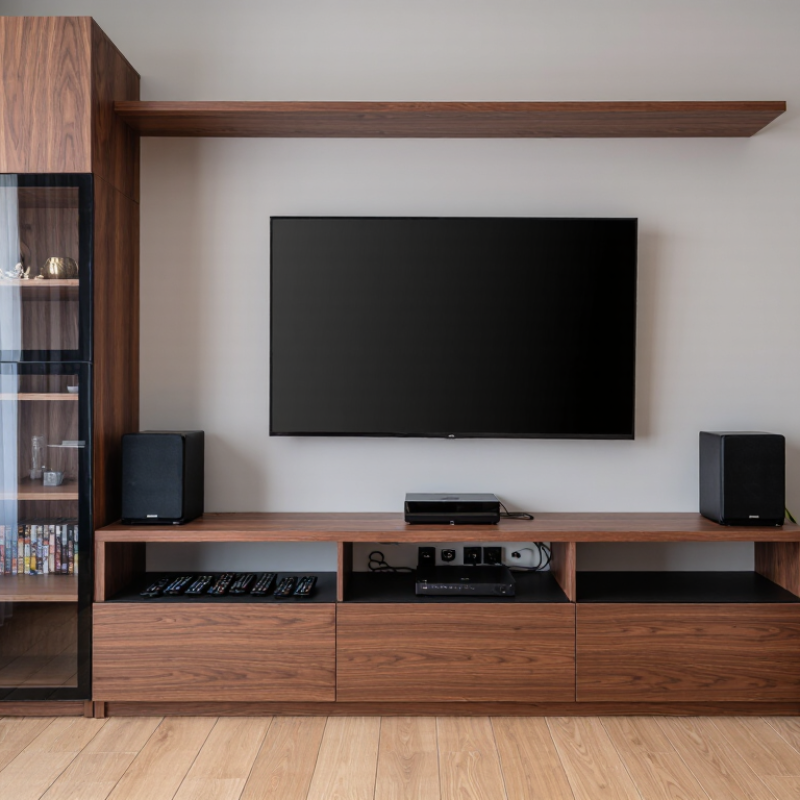
What Is a Stylish TV Cabinet and What Makes It Different?
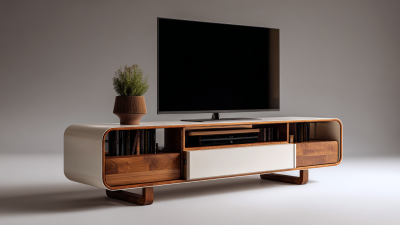
A stylish TV cabinet is more than a stand beneath a screen. It is a carefully designed piece that combines visual balance, storage, and practical support. Its proportions should suit the television and leave comfortable space around it. Clean lines, warm wood tones, matte finishes, or textured surfaces can shape the room’s atmosphere. The best choice depends on your space, not passing trends.
What makes it different is the attention to everyday details. Adjustable shelves can hold consoles, books, and remote controls without creating clutter. Hidden cable channels keep wires away from view, while ventilation openings help electronic equipment release heat safely. Strong panels and stable legs also matter, especially in busy family rooms.
I once chose a cabinet for its appearance alone, then regretted its shallow storage. It looked excellent, but the cables and devices quickly became messy. That experience taught me to measure every device before buying furniture.
A stylish cabinet should also be easy to clean and comfortable to use. Rounded edges may feel safer in narrow spaces, while sliding doors can protect equipment from dust. Materials should be inspected closely. Thin panels or weak hardware may reduce long-term reliability. Style is important, but useful style lasts longer.
How Does a Stylish TV Cabinet Improve Room Organization?
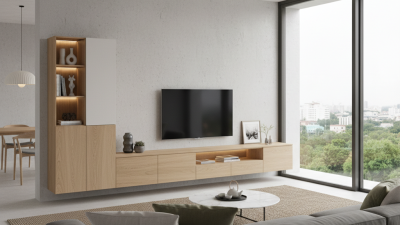
A stylish TV cabinet can turn a crowded entertainment wall into a controlled, useful zone. In room planning, I look for concealed cable channels, adjustable shelves, and drawers for remotes. Open compartments display books or ceramics. Closed storage hides game controllers, chargers, and spare cables.
The UCLA Center on Everyday Lives of Families studied 32 households and linked visible household clutter with higher stress indicators. That finding supports a simple design choice: store more equipment behind doors. A cabinet with ventilation openings protects devices from overheating. Its wide top also keeps speakers and screens visually aligned. Small details matter. Labelled boxes reduce daily searching.
Small details matter.
Labelled boxes reduce daily searching.
The U.S. Environmental Protection Agency recorded about 2.9 million tons of discarded electronics in its 2018 Facts and Figures report. A dedicated cabinet can delay unnecessary replacement by keeping accessories organized and devices protected. Choose strong shelves for consoles, measured cable holes, and enough rear clearance. Leave some empty space. Really.
Style should serve movement, not only appearance.
A glossy finish may show fingerprints, while deep drawers can become awkward storage traps. I have learned that the prettiest cabinet is not always the easiest to use. Measure every device, including plugs and ventilation space, before buying. A calm room begins with practical measurements.
Which Materials and Designs Suit Your Home Interior?
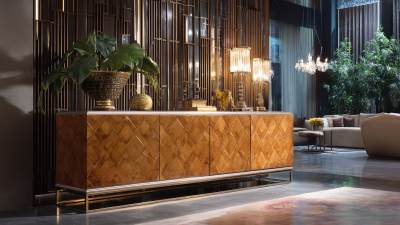
A stylish TV cabinet should support your room, not compete with it. Material choice matters. Solid wood gives warmth, visible grain, and strong repair potential. Engineered wood offers stable dimensions and a lower price, but inspect its edge sealing carefully. Metal and glass create a lighter, contemporary appearance. They also show fingerprints and dust quickly.
The 2023 Global Status Report for Buildings and Construction states that buildings produced 37% of global energy-related emissions and process emissions in 2022. This makes durable, repairable furniture a sensible design decision. Look for recycled content, responsibly sourced timber, and replaceable hardware. The U.S. Environmental Protection Agency reports that indoor VOC levels can be two to five times higher than outdoor levels. Choose low-emission finishes, especially in compact rooms. I have seen attractive cabinets fail because ventilation was treated as an afterthought. Heat gathers around poorly spaced electronics. Cable access matters more than decorative doors.
Tips: Match the cabinet’s visual weight to the wall. Use wood with warm interiors and matte finishes for softer rooms. Select slim metal for modern spaces. Leave ventilation gaps around devices. Check the cabinet’s load rating before mounting a television. Avoid high-gloss surfaces in bright rooms; reflections become distracting. A balanced design may need one imperfect detail, such as an open shelf, to remain practical. Houzz’s 2024 U.S. Houzz & Home Study also shows that homeowners continue investing in personalized upgrades, so choose a cabinet that can adapt when your room changes.
What Should You Consider Before Choosing a Stylish TV Cabinet?
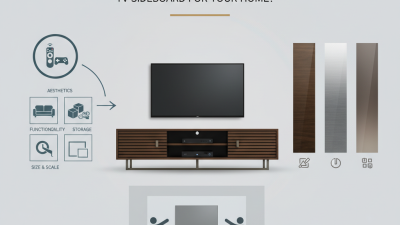
Choosing a stylish TV cabinet starts with measurements, not appearance. Measure the television, wall width, viewing distance, and available walking space. A cabinet should usually be wider than the screen, creating visual balance and safer support. Nielsen’s December 2024 Gauge report recorded streaming at 22.4% of U.S. television usage. That shift makes media storage increasingly important. Leave ventilation space around consoles, routers, and power equipment. Heat trapped behind closed doors can shorten electronic lifespan.
Cable management deserves equal attention. Look for rear openings, adjustable shelves, and doors that do not block infrared signals. Keep cables separated from ventilation paths. The Global E-waste Monitor 2024 reported 62 billion kilograms of electronic waste generated worldwide in 2022, with only 22.3% formally recycled. A durable cabinet with replaceable hardware may support longer use. Solid construction matters more than fashionable finishes.
Consider daily habits, too. Do children touch the doors? Do you store speakers, game controllers, or books? Check the cabinet’s load rating and anchor options, especially on uneven floors. I once chose a beautiful low unit with narrow shelves; the cables bent sharply, and the remote signal failed. It looked right. It worked poorly. That mistake taught me to test storage dimensions with real devices before buying. A stylish cabinet should frame the screen, hide clutter, and remain practical after the room’s first photograph.